

Green Building
Green Building and Renewable Energy Program
Central Carolina Community College's Green Building and Renewable Energy Program is an important component of the college's commitment to workforce training in growing sustainable industries.
The college is a center for training the new green workforce, as well as a venue to train instructors from the state and region. These, in turn, impact the area, state and nation's green workforce goals, creating jobs, reducing reliance on foreign energy, and preserving the planet.
What Does This Mean for You?
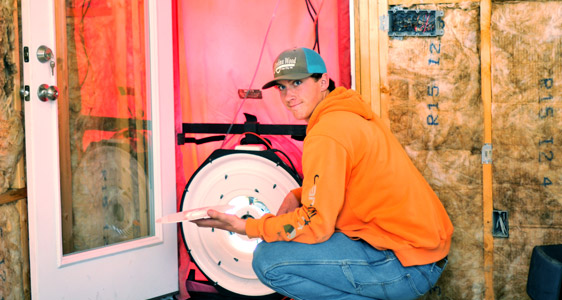
Central Carolina Community College's Continuing Education Department's Green Building and Renewable Energy Program is designed for both current building industry professionals and new students, homeowners and business owners. The goal is to train a competitive workforce for the new green economy and to educate community members in resource conservation, alternative energy options and sustainable home design.
Community Green Partners
In addition to the excellent teaching staff, the Green Building and Renewable Energy Program collaborates with organizations that lend guidance on our Advisory Council, host field trips and serve as guest lecturers. Among them are Southern Energy Management, Advanced Energy, GreenPros, Habitat for Humanity, Solar Consultants, The North Carolina Sustainable Energy Association, the North Carolina Solar Center and Green Homebuilders of the Triangle.
The Future of Green
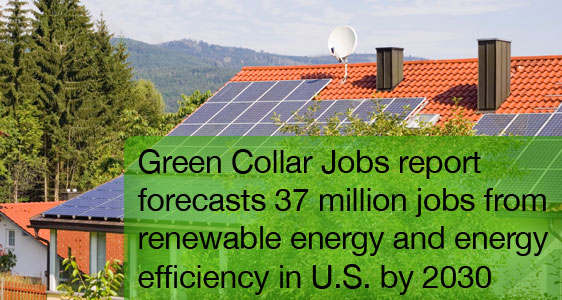
Green Collar Jobs Report forecasts 37 million jobs from renewable energy and energy efficiency in the United States by 2030. The renewable energy and energy efficiency (RE&EE) industries represented more than 9 million jobs and more than a trillion dollars in U.S. revenue in 2007, according to the report. The renewable energy industry grew three times as fast as the U.S. economy, with the solar thermal, photovoltaic, biodiesel, and ethanol sectors leading the way, each with 25%+ annual revenue growth.
History of the Program
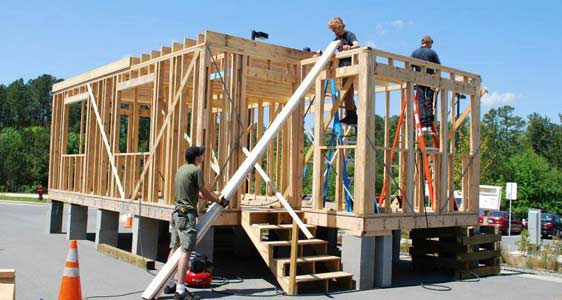
The program started in 2002, when the community suggested the college offer classes to serve this growing field. The program was first run by a dedicated group of volunteers offering classes in design, building science, and carpentry.
As the program grew, it became an important addition to the college's sustainable programs. The instructors are highly experienced professionals, recruited from the construction and renewable energy field. The classes help to meet the growing demand for courses in the field of energy efficiency and sustainable building. (see class list) They are offered on the Chatham Main Campus, in Pittsboro, N.C.
Some students from the program have already started new businesses. The college's Small Business Center offers support for entrepreneurs, while the program enables students to network with local experts, which helps turn their business dreams into realities.

General Information
Contact